Whoa! So I was holding a Tangem card the other day. It felt like a credit card that knew secrets. At first glance it’s tiny and unassuming, but when you peel back how NFC-based hardware wallets actually manage private keys and secure transactions, the simplicity masks surprisingly robust design decisions that matter for everyday users. I’m biased, but I started to take it seriously.
Seriously? NFC wallets like these are passive until you touch them. They don’t need batteries, and the card never leaves your control. That model changes the security calculus compared with phone apps because the private key material is stored in tamper-evident secure element chips and interactions happen over a near-field protocol that limits remote attack surfaces. On the other hand user experience becomes a design priority (oh, and by the way…).
Hmm… A friend gifted me a Tangem card after a conference in Austin. We set it up in minutes and moved a small test amount for practice. Initially I thought the contactless tap felt gimmicky, but then I realized the convenience was real because it removed a whole layer of app permissions and lockscreen issues, which often trip up new users who just want to send crypto. My instinct said this would actually help mainstream adoption quickly.
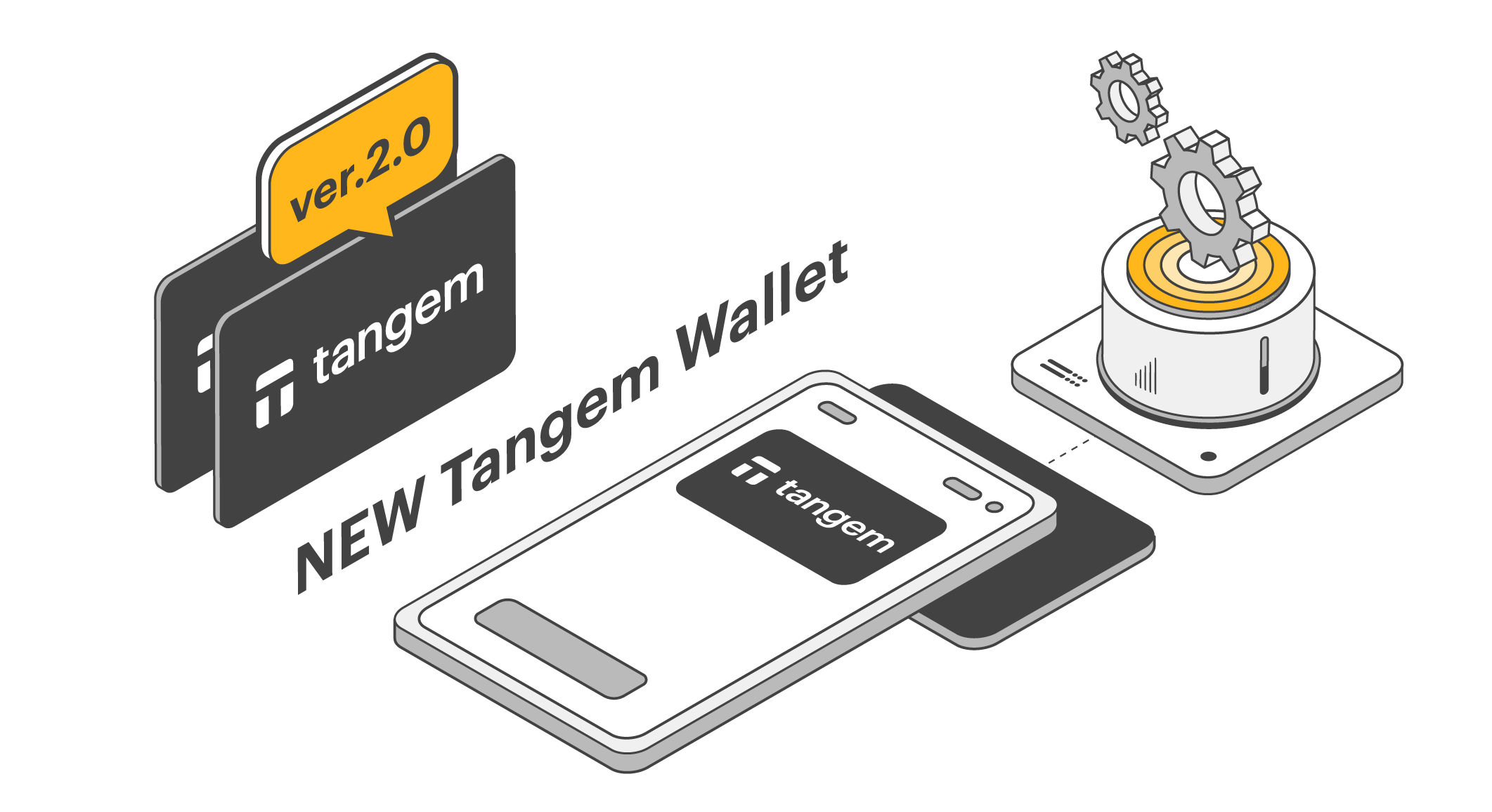
A closer look at trade-offs
Whoa! Something felt off about the backup UI during my first test. The card can be cloned if you don’t manage backups correctly. On one hand the Tangem card and similar NFC wallets reduce exposure to mobile malware and phishing, though actually you can still fall prey to social-engineering and physical theft scenarios if recovery processes are weak or if seed management is misunderstood. So set up backups, test recovery, and don’t assume somethin’ lasts forever.
Really? One advantage is interoperability; wallets often support many chains without exporting keys. In practice the card can sign Ethereum, Bitcoin and many tokens through companion apps. However developers must build the right UX flows so transactions present human-readable details and users can verify recipients reliably, which is still work-in-progress across some ecosystems and wallet interfaces. I’ll be honest, I tested transaction prompts and found some displays terse, very very ambiguous at times.
Okay, so check this out
Here’s the thing. Okay, so check this out—this card simplifies daily crypto interactions if you have small habits. I’m not 100% sure it replaces custodial convenience for all users though. Initially I thought hardware meant clunky setups and lost recovery seeds, but then I realized that some vendors have created elegant NFC-first experiences and recovery workflows that balance usability and security, which changes how I recommend solutions to friends who are non-technical. If you want one, check this out— tangem wallet might be worth a look.
FAQ
Do I need a phone to use the card?
No, the card stores the private key in hardware, but you’ll typically use a phone app to assemble and broadcast transactions so a phone makes things smoother. You can also use desktop companion apps in some setups, though the NFC tap is the most frictionless for signing.
What happens if I lose the card?
If you lose the card, recovery depends on your backup method; a hardware wallet without a tested recovery is only as good as the backup. So write down recovery details, store them safely, and test recovery with a small transfer (seriously—test it).
Is the card safe from remote attacks?
Mostly yes—NFC limits remote attackers because the card must be in close proximity to sign transactions, and secure elements resist tampering. On the flip side physical theft and social-engineering are real risks, so combine the card with good habits and trusted backup procedures.
Leave a Reply